Covering And Refining Fluxes For Brass, Copper Alloys And Aluminium
A melt loses metal and picks up gas from the moment it goes liquid: zinc evaporates from brass, oxygen dissolves in copper, hydrogen in aluminium, and every oxide skin that forms is metal gone to dross. A flux chosen for the alloy puts a protective cover on the bath, pulls non-metallic inclusions into a slag that separates cleanly, and takes dissolved gas out before pouring. Pyroflux India makes the full set for non-ferrous foundries: Cuprit 49 and the copper-alloy range for brass, bronze, gunmetal, high-conductivity copper and cupronickel; the Coverflux range for covering, drossing, modifying, reclaiming and furnace cleaning in aluminium. All in 25 kg bags from Delhi-NCR, with a data sheet for every grade.
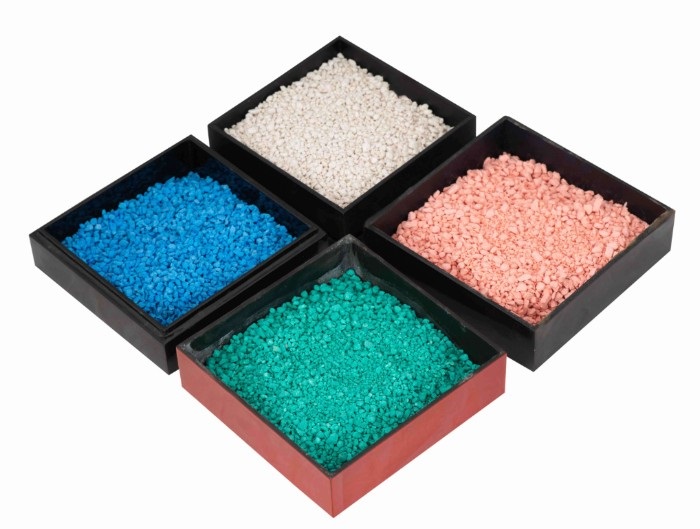
Cuprit 49: Protective And Refining Cover Flux For Medium And High-Zinc Brass
Cuprit 49 is the grade most brass foundries ask for by name. It does two jobs in one addition: it forms an insulating, protective layer on the bath that stops copper and zinc oxidising and evaporating, and it refines the melt by taking out non-metallic inclusions and gaseous impurities such as sulphur and hydrogen. The result is clean castings free of inclusions and blow-holes, and lower melting loss.
| Alloys | Medium and high-zinc brasses, including charges of turnings and borings contaminated with oil, grease and dirt |
|---|---|
| Function | Protective cover (minimises oxidation and evaporation of copper and zinc) and refining (removes non-metallic inclusions, sulphur and hydrogen) |
| Addition | 1 to 1.5% of the charge weight, added in three equal portions |
| Benefit | Defect-free castings without inclusions or blow-holes; reduced melting loss of copper and zinc |
| Packing | 25 kg bags; shelf life 24 months, stored cool, dry and protected |
| Handling | Chemical goggles, butyl, neoprene or Viton gloves and an N95 mask while charging; full guidance on the SDS |
Cuprit 49 earns its place on scrap-heavy charges: the same addition that protects the bath cleans up oily turnings and borings that would otherwise gas the melt. Request the Cuprit 49 TDS and SDS.
A Flux For Each Alloy
Copper alloys oxidise and absorb gas while melting, so the bath in the furnace or ladle needs a cover flux matched to the alloy: neutral or reducing to protect zinc, cadmium, tin and chromium from oxidation loss; oxidising where hydrogen must be driven out; and a slag-forming flux where inclusions cannot be reduced away and must be coalesced and lifted. Each grade below is designed for one alloy family.
| Grade | For Melting | What It Does | Addition |
|---|---|---|---|
| Cuprit 49 | Medium and high-zinc brass | Protective and refining cover flux; prevents zinc and copper loss, removes inclusions, sulphur and hydrogen | 1–1.5% of charge, in three portions |
| Cuprit 1 | Brass, brazing and gilding metals | Reducing cover flux in block and powder form for crucible and reverberatory furnaces; viscous slag cuts oxidation and evaporation of zinc, cadmium and tin | 0.5–1% |
| Copperit 8 | High-conductivity copper (ETP) | Reducing cover flux; prevents oxygen pick-up and melting loss, clean and non-fuming, keeps electrical conductivity | 0.5–1% |
| Albron | Aluminium, manganese and silicon bronze | Reduces oxide, inclusion and dross formation, increases fluidity; the standard for aluminium bronze | 0.5–1% |
| Copperex 1 | Tin bronze, gunmetal, copper-nickel | Oxidising and refining cover flux, powder or block; prevents hydrogen pick-up, removes non-metallic inclusions | 0.5–1% |
| Copperex 14 | Phosphor bronze, tin bronze, gunmetal | Mild oxidising flux that holds the phosphorus level; less oxidising than Copperex 1, prevents hydrogen pick-up and porosity | 0.5–1% |
| Chrombron | Chromium, beryllium, cadmium and zirconium coppers | Cover flux against oxidation and evaporation of the alloying elements; reduces slag formation | 0.5–1% |
| Leadbron | Copper-lead alloys | Cover flux that reduces gas pick-up, oxidation loss, dross and lead segregation | 0.5–1% |
| Aluminax | Any copper alloy contaminated with aluminium | Removes up to 0.5% aluminium present as impurity without affecting zinc and other alloying elements; cures porosity, oxide inclusions and poor weldability | 0.5–1% or more, by Al content |
| Slagax 20 | All copper-base alloys | Coagulates liquid or dry slag for easy removal with minimum metal in the slag; cleans the surface before pouring | 0.25–0.5% |
Taking The Hydrogen And Oxygen Out
| Product | Form | Use | Addition |
|---|---|---|---|
| Degas 50 | Briquettes, plunged | Releases a steady stream of inert gas that scavenges hydrogen and non-metallic inclusions from all copper-base alloys, just before pouring | 1 briquette (150 g) per 100 kg |
| Degas 1 | Powder | Oxidising degassing flux removing hydrogen and sulphur from copper, brass, bronze and cupronickel; the alternative to Degas 50 | 0.5–1% |
| CB tubes | Weighed charge in a copper tube | Deoxidation of high-conductivity copper and copper alloys | By tube size |
| DX tubes | Weighed charge in a brass tube | Deoxidation of brass, bronze and gunmetal | By tube size |
| MG tubes | Tube | Deoxidation and grain refining of copper-nickel alloys | 2–3 tubes per 100 kg |
Dissolved oxygen comes out as copper oxide at the grain boundaries on solidification, costing strength, hot-shortness resistance and conductivity. The tubes put a weighed dose of a reactive deoxidiser into the melt in one plunge, in sizes to suit the furnace.
For Cupronickel, 10 To 45% Nickel
| Cover Flux For Cu-Ni | Oxidising cover flux in powder form for crucible and induction furnaces; viscous slag protects against pick-up of sulphur, carbon and phosphorus, which embrittle the alloy. 0.5–1% of charge |
|---|---|
| MG Deoxidising Tubes | Deoxidation and grain refining, 2–3 tubes per 100 kg |
| Slag Refiner | Slag-coagulating flux; prevents non-metallic inclusions, slag particles and oxide, clean and non-fuming. 0.5–1% of charge |
| Logas Degasser | Briquettes, one 150 g briquette per 100 kg, plunged before pouring |
| Ingot Release Coating | Water-based graphite and mixed-refractory coating for release and finish of ingots and gravity castings, and protection of the moulds |
The Coverflux Range For Aluminium Alloys
Coverflux is a family of fluxes for covering and drossing molten aluminium, with grades for modifying Al-Si alloys, recovering aluminium from hot dross, reclaiming chips, turnings and borings, and softening oxide build-up on furnace walls. Covering-only grades minimise the contact between metal and air; covering-and-drossing grades also absorb oxide inclusions and, being exothermic, melt trapped aluminium beads back into the bath, leaving a dry, powdery, metal-free dross.
| Grade | Colour | Function | Alloys | Addition |
|---|---|---|---|---|
| Coverflux 5 | White | Covering and drossing | All aluminium alloys except high-magnesium | 0.5–1% |
| Coverflux 11 | Pink | Covering and drossing, general purpose, sodium-free | All aluminium alloys except high-magnesium | 0.5–1% |
| Coverflux 65 | White | Covering, sodium-free | Alloys with 2–6% Mg and hypereutectic Al-Si | 2–3% |
| Coverflux 66 | Yellow | Covering and drossing | Alloys with 1–10% Mg and hypereutectic Al-Si | 2–3% |
| Coverflux 57 | Yellow | Reclaiming | Melting of turnings, chips and fine scrap, all alloys except high-magnesium | 2–10% |
| Coverflux 88 | White | Furnace cleaning | All alloys; removes oxide build-up on furnace walls | By furnace size |
- Covering fluxes: add half as soon as the charge begins to melt, the rest spread evenly over the surface once fully molten, and keep the cover intact until the melt is treated or cast.
- Covering and drossing fluxes: half during melting, the rest when the metal is ready to pour; rabble into the dross until it glows red and powdery, then skim.
- Modifying fluxes: degas and skim first, sprinkle evenly, work in for about three minutes once pasty, and let the metal stand five to ten minutes before pouring.
- Recovering aluminium from dross: layer Coverflux 56 and hot dross in a perforated dross bogie and stir every 15 minutes until no more metal runs through.
- Reclaiming chips and turnings: form a fluid cover of Coverflux 57 on a molten heel, feed the fines a little at a time through the cover, topping up the flux to keep it fluid.
- Furnace cleaning: spread Coverflux 88 on the walls straight after tapping, then scrape down the softened build-up.
For The Rest Of The Melt Shop
Boron Nitride For The Casthouse
Pyrolube BN coatings for launders, ladles and crucibles where nothing must wet the surface.
Read More →Zircon Mould And Core Coatings
Maxcote, Technomol and Isocote washes for steel and heavy non-ferrous sand castings.
Read More →Centrifugal Die Coatings
Spuncote and Wallcote for spun castings in iron, non-ferrous and alloy steel.
Read More →Common Questions
How much Cuprit 49 do we add?
1 to 1.5% of the charge weight, split into three equal additions over the melt. On clean ingot charges the lower end is enough; on oily turnings and borings use the upper end.
Which flux for brass that is not high-zinc?
Cuprit 1, the reducing cover flux for brass, brazing and gilding metals, at 0.5–1% of the charge. Cuprit 49 is the choice once zinc is medium or high, or the charge is dirty scrap.
We make high-conductivity copper. Which flux and deoxidiser?
Copperit 8 as the cover flux, which is clean and non-fuming and protects conductivity, with CB tubes for deoxidation.
Our brass castings show porosity. Flux or degasser?
Usually both: a cover flux to stop gas pick-up during melting, then Degas 50 briquettes plunged just before pouring to scavenge the hydrogen already dissolved. If the charge carries aluminium contamination, Aluminax first.
Do you supply fluxes for aluminium as well as copper alloys?
Yes. The Coverflux range covers covering, drossing, modifying, reclaiming and furnace cleaning for aluminium alloys, including sodium-free grades for high-magnesium alloys.
Do you send data sheets?
Yes. TDS and SDS for any grade go out by email within one working day of a request, with the addition rate and handling precautions.
Tell Us The Alloy And The Furnace; We Will Recommend The Flux
Alloy, furnace type, charge make-up (ingot or scrap, clean or oily) and the defect you are chasing: melting loss, inclusions, porosity or slag. That is everything we need to recommend grades, quote and send a trial bag.
- Phone
- +91 98181 87838
- sales@pyroflux.in
- Office
- G-5, Sector 63, Noida 201301, Uttar Pradesh, India
- Factory
- G-15, Sector 63, Noida 201301, Uttar Pradesh, India
- Hours
- Monday to Saturday, 9 am to 6 pm IST