Boron Nitride Suspensions, Coatings And Pastes
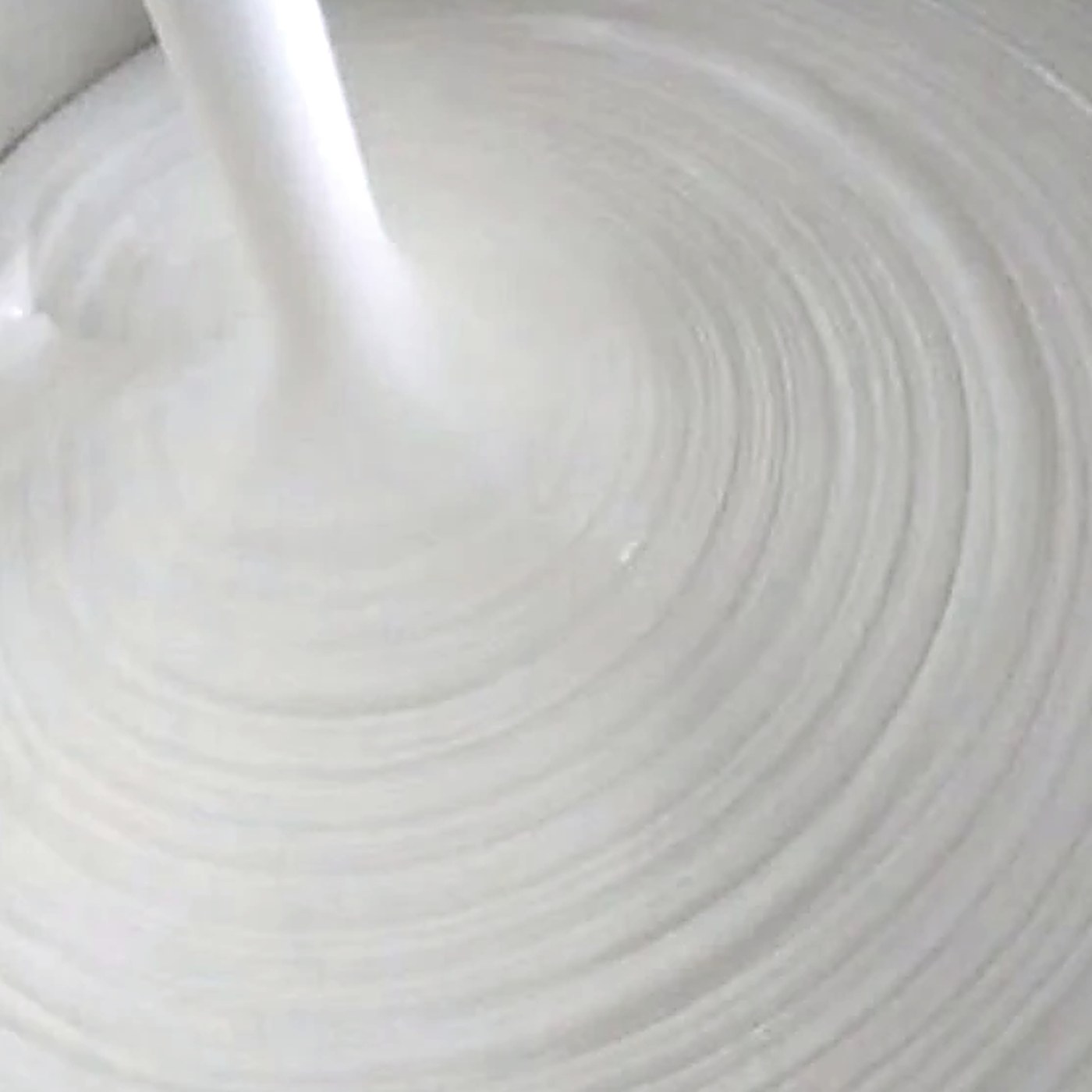
Where the aerosol is about convenience, the suspensions are about control. Pyroflux India manufactures hexagonal boron nitride dispersions in water, oil and solvent carriers, supplied at a solids content you can spray, brush, roll or dip and diluted on site to the film thickness your process needs. They are the workhorse for coating large areas and for every-cycle lubrication: launders, troughs and ladles in aluminium casthouses, dies and moulds in casting, billets and dummy blocks in extrusion, crucibles and furnace hardware. Water-based grades are the usual starting point; solvent-based grades suit substrates that cannot see water or processes that need fast drying; paste grades build a thick, durable barrier rather than a thin film. The named grades below are made in Noida and ship in 1 kg samples to 200 kg drums.
Pick By Carrier And By Job
Pyrolube 20
Water-based h-BN spray for hot aluminium extrusion billets, dummy blocks and dies. 20–22% h-BN, silicone- and carbon-free, water-dilutable.
Pyrolube 20 page →Pyrolube 25S
Alcohol-based, fast-drying h-BN release coating for cold moulds and tooling. Spray or brush at room temperature; dry film in minutes.
Pyrolube 25S page →Pyrolube BN 5026
Water-based h-BN concentrate for casthouse and foundry coating, diluted on site. A functional equivalent to imported concentrate grades.
Pyrolube BN 5026 page →Pyrolube Glass Mould Release
Three-part system for glass press moulds: a base coat applied at mould change, a top-up during production, and a nano-h-BN grade for transparent ware.
Glass mould release →Paste Grades
High-solids h-BN pastes for ladle linings, trough joints, crucible rims and anywhere a thick barrier beats a thin film. Quoted to the job.
Custom Formulations
Carrier, solids and particle size matched to your substrate, temperature and atmosphere. Private-label and bulk supply available.
How custom work runs →Typical Range Across The Suspensions
| Carrier systems | Aqueous, oil-based and solvent-based |
|---|---|
| BN solids content | Typically 5–25% for sprayable grades; up to 40% in paste form |
| Particle size | Fine grades (D50 below 10 µm) for thin release films; coarser grades for thick barriers |
| Application | Spray, brush, roller or dip; dilute to suit film thickness |
| Drying | Water-based: dries on warm substrates or with gentle preheat; solvent-based: minutes at room temperature |
| Pack sizes | 1 kg, 5 kg, 20 kg, 50 kg, 200 kg |
| Typical uses | Launders and troughs, ladles, die casting dies, permanent moulds, extrusion billets and dummy blocks, crucibles, brazing fixtures |
How To Apply a BN Suspension
- Stir the drum; suspensions settle on standing. Dilute concentrated grades with clean water (or the matching solvent) to the ratio on the data sheet; ready-to-apply grades need none.
- Clean the substrate of oxide, old coating and oil. Preheating to 60–100 °C improves adhesion on steel and refractory; large launders are best coated warm.
- Build the coating in thin, even layers rather than one heavy pass; let each layer dry before the next. Two or three passes give a more durable film than one thick one.
- Dry fully before the surface sees molten metal. On launders and ladles, bring the temperature up gradually on the first heat.
- Touch up worn areas between campaigns instead of recoating everything.
Spray lances, airless equipment and dip tanks all work. For a running extrusion press, Pyrolube 20 goes through an ordinary siphon spray lance on shop air; the lance can be automated with a solenoid valve and a billet sensor.
Common Questions
Water-based or solvent-based: which do I need?
Water-based for foundry and extrusion work on steel, cast iron and refractory, where the substrate can be warm and a few minutes of drying are acceptable. Solvent-based where the substrate must stay dry, where drying time is critical, or for cold moulds that are coated at room temperature and used immediately.
What dilution should I use?
Start at the ratio on the grade’s data sheet and move toward the thinnest film that still releases. Thinner films are cheaper, dry faster and build up less; thicker films last longer between touch-ups.
Will BN contaminate the metal?
No. Hexagonal boron nitride is white, chemically inert and not wetted by aluminium, magnesium, zinc, most slags and glass. It is the reason the coating works as a release and barrier layer, and it leaves no carbon pickup.
Can I switch from an imported BN coating without changing equipment?
In almost every case yes. Pyrolube grades are formulated to run through the same spray and dip equipment at similar dilutions. Send us the name of the product you use today and the substrate, and we will suggest the matching grade and a trial quantity.
Do you supply a technical data sheet and SDS?
Yes, for every grade. Use the Request TDS / SDS button and we email them within one working day.
Tell Us The Process; We Will Recommend The Grade
Substrate, process temperature, atmosphere and how you prefer to apply it. That is everything we need to point you at the right product, send a sample, or quote.
- Phone
- +91 98181 87838
- sales@pyroflux.in
- Office
- G-5, Sector 63, Noida 201301, Uttar Pradesh, India
- Factory
- G-15, Sector 63, Noida 201301, Uttar Pradesh, India
- Hours
- Monday to Saturday, 9 am to 6 pm IST